3. Choose open-source technologies for flexibility and cost-effectiveness
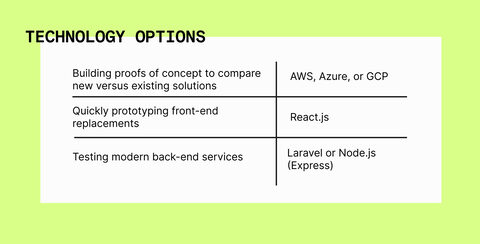
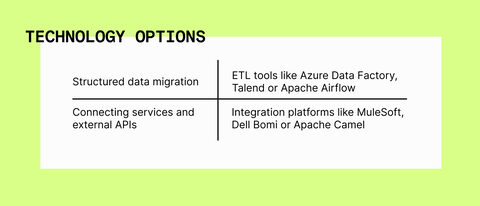
Open-source solutions offer businesses the flexibility to adapt and scale as their needs evolve. Unlike proprietary systems that often lock organisations into specific vendors, open-source platforms provide freedom and control over the codebase, minimising licensing costs and dependency risks. According to the Digital Transformation Agency, incorporating open standards and accessible technology promotes consistency and adaptability across government services, demonstrating the flexibility of open-source approaches in large-scale, high-demand environments. Communities supporting open-source frameworks also drive continuous improvements, ensuring businesses benefit from the latest innovations without costly upgrades.
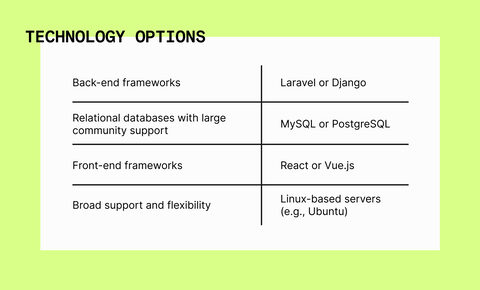
This aligns with DTA’s agile and open-source practices, which enable faster rollouts and consistent responsiveness to user needs. Moreover, transitioning to open-source allows seamless integration with other modern tools and APIs, future-proofing technology stacks and allowing for tailored solutions to specific business needs, as exemplified by open frameworks like Laravel that offer robust communities, frequent updates, and scalability options suited for diverse operational needs.
For more, the Digital Transformation Agency’s experiences with open-source initiatives provide additional context (GOV.AU Alpha assessment).
The impact of using open-source varies depending on how it is implemented. For instance, choosing an open-source database like MySQL or PostgreSQL carries minimal drawbacks since enterprise-level support is available, comparable to offerings from Oracle or Microsoft. However, using open-source frameworks potentially significantly impacts the product's long term maintainability. While not unique to open-source, industry trends push frameworks in different directions, increasing the maintenance burden of the application. This is often exaggerated by open-source frameworks leveraging many open-source libraries, leading to dependency hell.